Most conversations about energy begin with fuel. More nutrients. More calories. More supplementation. If energy declines, the assumption is deficiency, but there is another variable that rarely gets examined: Competition. Not competition between people. Competition inside tissues.

The Unseen Contest
Every cell relies on oxygen for efficient energy production. Oxygen allows mitochondria to complete electron transport chains cleanly, minimizing oxidative spillover and maximizing ATP generation. But oxygen availability inside tissues is not determined solely by breathing.
It is influenced by:
- local microbial consumption
- biofilm density
- inflammatory cell activity
- oxidative chemistry
- iron-driven redox reactions
- microcirculatory flow
- interstitial congestion
When these factors increase, oxygen is not absent. It is contested.
What Oxygen Competition Feels Like
Oxygen competition does not cause dramatic suffocation. It produces subtle inefficiency.
You may notice:
- quick fatigue under mild exertion
- shallow breathing patterns
- cognitive fog during stress
- slower wound repair
- increased oxidative sensitivity
- disproportionate exhaustion after minor illness
Cells can still produce energy. But they must work harder to do so.
The Biochemical Ripple
When oxygen efficiency decreases:
Mitochondria leak more reactive species.
Redox balance destabilizes.
Inflammatory signaling increases.
Immune cells escalate activity.
Autonomic tone shifts toward vigilance.
Repair allocation decreases.
The body compensates. But compensation consumes resources.
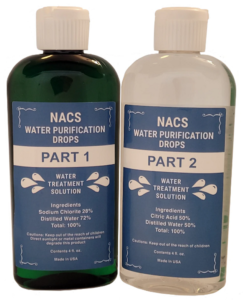
Chlorine Dioxide
Within terrain-based discussions, chlorine dioxide is not considered an oxygen delivery agent. It does not carry oxygen. It does not replace hemoglobin. Its proposed relevance relates to reducing competition.
If microbial burden decreases, local oxygen consumption may decline.
If biofilms weaken, diffusion may improve.
If oxidative debris lowers, redox cycling stabilizes.
If inflammatory tone softens, metabolic allocation shifts.
As competition decreases, oxygen efficiency improves. Not because more oxygen is added, but because less is contested.
The Longevity Implication
Cells under chronic oxygen competition:
- generate more oxidative byproducts
- sustain higher inflammatory signaling
- reduce repair capacity
- narrow metabolic flexibility
Over years, this increases cumulative wear.
Reducing competition reduces friction. Reduced friction preserves cellular integrity.
The Overlooked Question
Instead of asking: “How do we boost energy?”
It may be more useful to ask: “What is competing for oxygen inside tissues?”
Approaches focused on restoring oxygen efficiency often emphasize:
- reducing persistent microbial burden
- weakening biofilm environments
- supporting microcirculatory flow
- stabilizing redox balance
- lowering inflammatory baseline
As interference declines, oxygen distribution becomes more effective without force.
Energy is not only about supply.
It is about access.
When competition decreases, performance improves — not dramatically, but sustainably.
Disclaimer
This article is for informational and research purposes only. Chlorine dioxide is not approved for internal therapeutic use by regulatory agencies. Oxygen physiology and immune function are complex systems requiring professional oversight before making health-related decisions.