Energy doesn’t usually disappear all at once. It narrows.
People describe it as:
- “I’m fine until I push a little.”
- “After meals I feel heavy.”
- “Exercise takes more out of me than it used to.”
- “I’m not sick, I’m just slower.”
This pattern isn’t necessarily cellular failure. It’s often metabolic congestion.

What Metabolic Congestion Really Means
Metabolism is not just fuel + oxygen = energy.
It is:
- intake
- processing
- electron transfer
- waste export
- oxygen exchange
- signal regulation
- inflammatory control
When all of those steps remain open and coordinated, energy flows easily.
When one or more steps become resistant, throughput decreases.
Energy production becomes strained not because mitochondria forget how to work, but because their environment becomes crowded.
What Creates the Crowding
Metabolic congestion often forms when:
- persistent microbial fragments increase background immune activity
- biofilm environments restrict diffusion of oxygen and nutrients
- oxidative residue interferes with electron flow
- redox imbalance increases metabolic friction
- intracellular waste clearance slows
- inflammatory chemistry reallocates fuel away from flexibility
- iron-driven oxidative reactions amplify local stress
None of this is dramatic.
But it increases resistance inside the system.
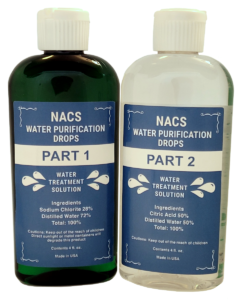
Where Chlorine Dioxide Enters the Picture
Chlorine dioxide is sometimes misunderstood as something that “boosts” energy. That’s not the model here.
In alternative health discussions, its relevance to metabolic congestion is explored more indirectly:
Not as a stimulant.
Not as a mitochondrial activator.
But as a potential reducer of upstream interference.
If microbial burden decreases, immune vigilance lowers.
If biofilms weaken, oxygen and nutrient diffusion improve.
If oxidative byproducts decline, electron flow stabilizes.
If inflammatory tone softens, metabolic allocation widens.
The result is not forced acceleration. The result is reduced resistance.
Application Strategy in a Congested System
Because congestion reflects reduced throughput, aggressive strategies can backfire.
For example:
- High-intensity detox can increase waste load before clearance improves.
- Stimulants can raise demand without improving flow.
- Overexertion can amplify inflammatory tone.
Within this context, chlorine dioxide — when explored — is often approached with the following considerations:
- Terrain First, Speed Later
The objective is to reduce background irritant load before increasing metabolic demand.
- Gradual Environmental Shifts
Sudden changes in microbial or oxidative burden can temporarily increase congestion if clearance pathways lag.
- Support Clearance Simultaneously
Hydration, lymphatic movement, and mitochondrial support are often emphasized alongside any terrain-modifying approach.
- Watch Throughput Markers, Not Just Energy
Improvement is often seen first as:
- less post-meal heaviness
- shorter recovery after mild exertion
- clearer thinking after stress
- improved thermal regulation
- fewer delayed crashes
Energy quality improves before energy quantity spikes.
What Happens When Congestion Decreases
When internal resistance drops:
- oxygen gradients normalize
- redox cycling stabilizes
- mitochondrial electron leakage reduces
- inflammatory allocation decreases
- stress signaling quiets
Energy feels smoother. Not explosive. Not forced. Just more available.
The Longevity Angle
Chronic congestion increases wear because the system must generate higher output to compensate for resistance.
Over time this produces:
- more oxidative spillover
- more inflammatory signaling
- more compensatory hormone activity
Reducing congestion lowers friction. Lower friction reduces cumulative damage.

A Measured Perspective
Chlorine dioxide is not approved for internal therapeutic use by regulatory agencies, and metabolic physiology is complex.
Any intervention that influences microbial load, oxidative chemistry, or immune signaling should be approached cautiously and ideally under qualified supervision.
The broader point remains:
Metabolism often fails from resistance, not absence. When pathways open, the body frequently remembers how to generate energy on its own.
Disclaimer
This article is for informational and research purposes only. It does not diagnose, treat, cure, or prevent disease. Chlorine dioxide is not approved for internal therapeutic use by regulatory agencies. Metabolic physiology is complex; consult qualified professionals before making health-related decisions.